

Pediatric oncology patients undergoing intensive antineoplastic chemotherapy or hematopoietic stem cell transplantation face acute oral complications that threaten both systemic survival and psychological development. Acute lymphoblastic leukemia, neuroblastoma, and pediatric lymphomas represent frequent pediatric malignancies requiring high-dose cytotoxic drug regimens, including methotrexate, vincristine, and anthracyclines. These pharmacological agents non-selectively suppress rapidly dividing basal mucosal keratinocytes, while obliterating bone marrow hematopoiesis. The resulting profound neutropenia, severe thrombocytopenia, and painful ulcerative oral mucositis convert the oral cavity into a primary portal for life-threatening systemic bacteremia and sepsis. Beyond severe physiological vulnerability, children with cancer endure profound hospital-induced psychological trauma. Subjected to repeated venous punctures, physical immobilization, marrow biopsies, and intrusive medical procedures, these young patients develop intense hypervigilance regarding bodily autonomy. A dental examination can easily trigger panic reactions if experienced as yet another hostile physical intrusion. Delivering humanized dental care to immunocompromised children requires balancing rigorous hematological timing with deep respect for the child’s emotional boundaries, emotional dignity, and procedural comfort.
Pre-treatment oral stabilization constitutes the essential foundation for preventing infectious crises during subsequent neutropenic phases. Ideally, dental evaluation occurs two to three weeks prior to the initiation of cytotoxic chemotherapy or conditioning regimens. The primary objective is the decisive elimination of all existing and potential sources of odontogenic infection. In pediatric patients, asymptomatic chronic pulpal infections, furcation radiolucencies in primary molars, deep carious lesions, and partially exfoliated mobile primary teeth represent potential septic foci. During chemotherapy-induced myelosuppression, an absolute neutrophil count dropping below five hundred cells per microliter allows commensal oral viridans streptococci, Pseudomonas aeruginosa, and enteric gram-negative bacilli to enter ulcerated mucosal surfaces and invade the bloodstream. Invasive endodontic procedures on non-vital primary teeth are strictly contraindicated prior to chemotherapy because instrumentation carries persistent bacteremic risks. Instead, extraction of questionable primary teeth must be completed at least ten to fourteen days before severe myelosuppression develops, permitting complete primary epithelial closure over the alveolar bone.
Hematologic synchronization dictates every phase of dental intervention once chemotherapy commences. Elective dental treatments must be entirely suspended during the nadir phase of therapy, which typically occurs seven to fourteen days after chemotherapy administration. Before executing any non-elective, urgent dental debridement or surgical extraction to resolve acute pain or acute infection, the clinician must obtain a complete blood count with differential within twenty-four hours of the planned appointment. Surgical intervention requires an absolute neutrophil count greater than one thousand cells per microliter and a platelet count exceeding fifty thousand per microliter. If platelet levels range between twenty thousand and fifty thousand per microliter, minor non-surgical interventions may proceed with local hemostatic measures, such as tranexamic acid mouthwashes, oxidized cellulose gauze, and absorbable collagen sponges. Absolute platelet counts below twenty thousand per microliter dictate conservative, non-invasive supportive care, with transfusions coordinated through the pediatric oncologist if emergency bleeding control is required.
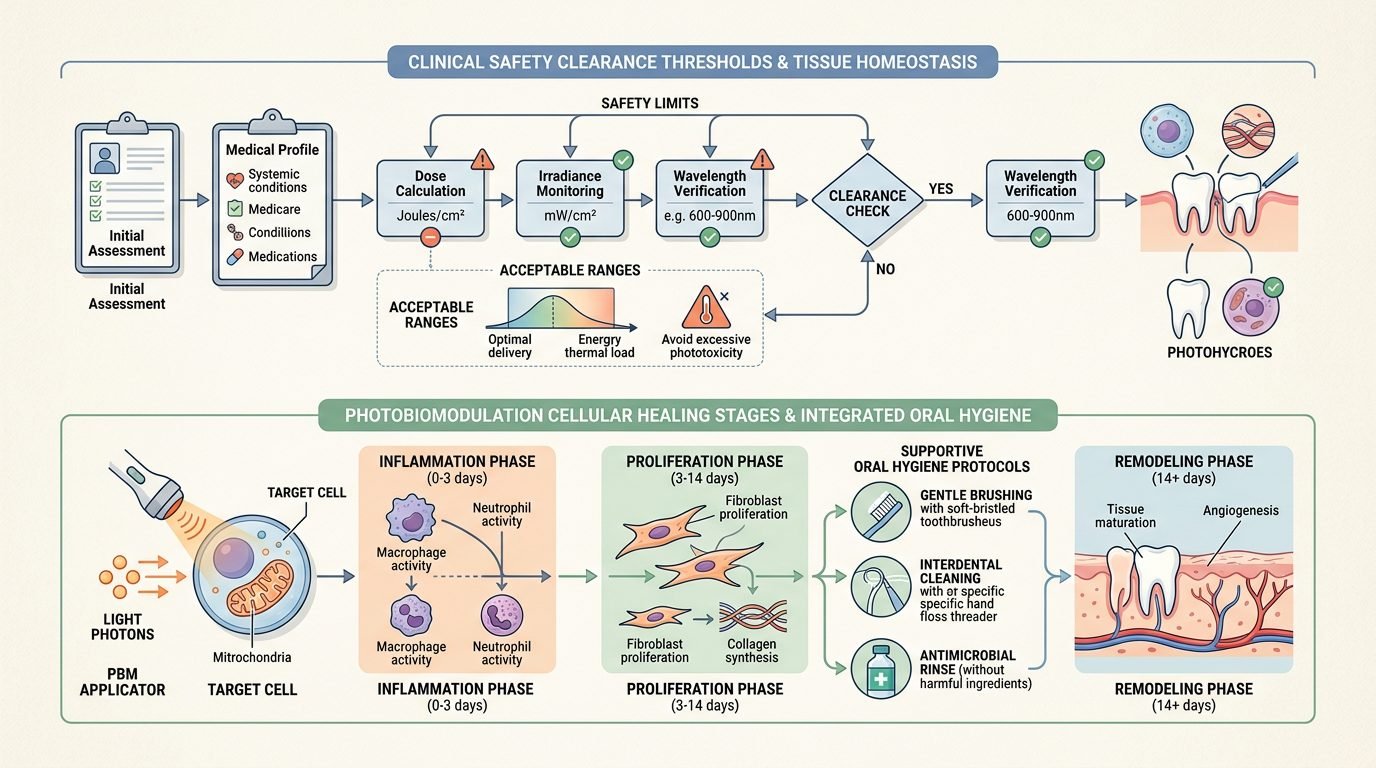
Oral mucositis represents the most debilitating and agonizing complication of pediatric cancer therapy, affecting up to eighty percent of children receiving myeloablative chemotherapy. Severe oral ulcerations disrupt swallowing, speaking, and basic oral hygiene. Young children express this pain through continuous crying, food refusal, behavioral withdrawal, and heightened fear of facial contact. Dehydration and malnutrition frequently follow, necessitating parenteral nutrition, high-dose opioid analgesia, and unanticipated hospitalization delays. Humanized clinical care demands aggressive, proactive mucositis management rather than passive observation. The clinical team must institute structured oral cleansing using ultra-soft foam swabs or extra-soft toothbrushes softened in warm water, paired with non-irritating alcohol-free sodium bicarbonate or 0.9 percent saline oral rinses every two to four hours. Chlorhexidine digluconate must be used cautiously; its high alcohol content in standard formulations causes intense mucosal burning on open ulcers, and its chemical astringency can distress sensory-sensitized children. Non-medicated oral cryotherapy (ice chips or ice pops) administered during rapid-infusion bolus methotrexate or high-dose melphalan induces local vasoconstriction, reducing drug delivery to oral tissues and significantly attenuating subsequent mucositis severity.
Psychological trauma management requires deliberate de-escalation of dental chair anxiety. Pediatric oncology patients frequently identify the dental operatory as an extension of painful oncology wards. The presence of white coats, surgical masks, suction noises, and metallic trays easily triggers acute stress responses and defensive meltdowns. Clinicians must actively counteract this psychological conditioning. Practitioners should wear colorful, non-threatening clinical attire. The examination must begin without instruments, using gentle visual observation and verbal encouragement while the child remains seated upright, preferably in a parent’s lap if desired. The clinician must establish clear, non-negotiable boundaries of consent: the child is given control over the pace through explicit stop-signals, such as raising a hand. Under no circumstances should forced physical restraint be utilized for elective hygiene or examinations, as physical coercion severely compounds medical post-traumatic stress and shatters interpersonal trust.
Pain control and mucosal palliation must be delivered with uncompromising pharmacological precision. Systemic analgesia, managed in coordination with the pediatric oncology service, utilizes scheduled acetaminophen for mild pain, avoiding non-steroidal anti-inflammatory drugs that interfere with platelet aggregation or exacerbate renal toxicity. For moderate to severe ulcerative pain, topical compounded rinses containing diphenhydramine, aluminum hydroxide, and lidocaine, or mucosal-coating hydrogels, provide localized relief prior to eating or oral cleaning. In hospitalized settings, patient-controlled or nurse-administered intravenous fentanyl or morphine infusions are synchronized with planned oral care routines to prevent excruciating procedural distress. Photobiomodulation using calibrated red or near-infrared light wavelengths demonstrates exceptional efficacy in accelerating epithelial re-epithelialization and down-regulating inflammatory cytokines, offering non-invasive pain relief without tactile tissue trauma.
Candidiasis and viral reactivation, predominantly herpes simplex virus, demand vigilant differential diagnosis in pediatric oncology units. Fungal and viral lesions often mimic non-specific chemotherapeutic mucositis, leading to delayed targeted therapy. White pseudomembranous plaques that scrape away leaving a bleeding base warrant immediate microscopic examination or fungal culture, followed by appropriate systemic antifungal administration such as fluconazole, given that topical oral rinses are frequently swallowed improperly by young children. Similarly, atypical solitary or clustered ulcers on keratinized gingival surfaces require prompt viral swab testing to guide intravenous or oral acyclovir therapy.
Long-term post-treatment surveillance protects developing craniofacial structures and emerging permanent dentition. Children who receive total body irradiation, head and neck radiotherapy, or high-dose alkylating chemotherapy before age ten experience significant late adverse odontogenic effects, including microdontia, complete root agenesis, taurodontism, localized enamel hypoplasia, and disrupted alveolar bone growth. Close multidisciplinary monitoring throughout craniofacial maturation ensures timely orthodontic, restorative, and psychological support.
In evaluation of pediatric oncology dental protocols, the practitioner’s ultimate responsibility extends beyond clinical microbiology and hematologic parameters. Effective care balances medical safety with intense sensitivity to the child’s fragile emotional state. By synchronizing invasive interventions with stable hematologic windows, delivering proactive, multi-modal mucosal analgesia, and honoring the child’s dignity and bodily autonomy, clinicians protect systemic health while preserving the young patient’s trust in dental healthcare. Continuous compassionate communication ensures that each clinical visit strengthens emotional resilience rather than compounding institutional fear.
Leave a Reply