
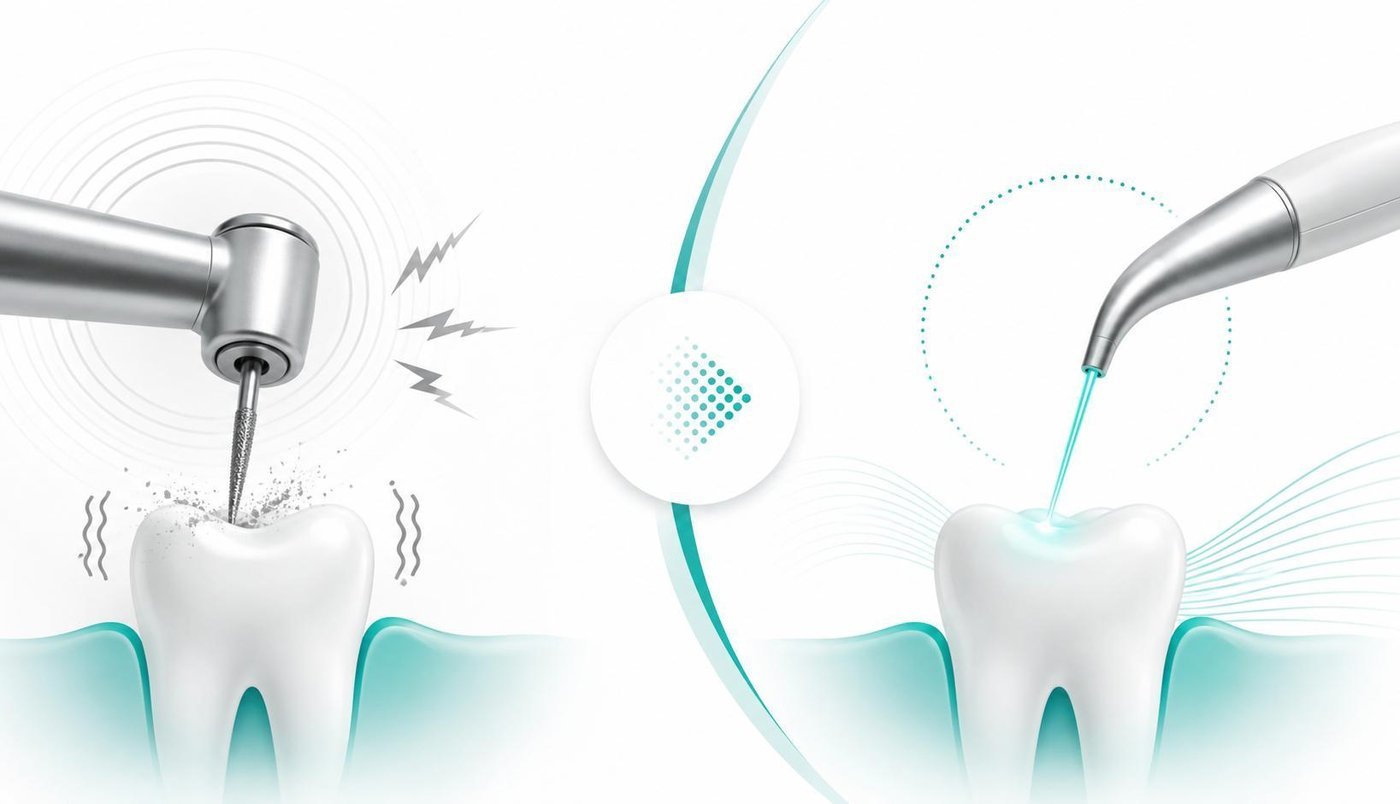
Sleep bruxism is a central neurological movement disorder rather than a mechanical problem of crooked teeth. Grinding and clenching during sleep originate within the ascending reticular activating system of the brainstem, not from minor occlusal interferences on a second molar. Dentists who grind down healthy human enamel with diamond burs in a futile pursuit of occlusal equilibration are treating a cerebral neurochemical storm with mechanical destruction. That clinical practice is obsolete, unscientific, and biologically harmful.
The brainstem controls rhythmic masticatory muscle activity. During non-rapid eye movement sleep, transient autonomic nervous system shifts precede jaw clenching by several seconds. Polysomnographic tracking reveals a consistent physiological sequence: sympathetic cardiac acceleration occurs first, followed four seconds later by cortical electroencephalographic arousal, followed finally by rhythmic contraction of masseter and temporalis muscles. Bruxism is the somatic terminal expression of a central sleep arousal.
The Cascade of Nocturnal Micro-Arousals
Sleep architecture is fragile. Humans cycle through light sleep, slow-wave deep sleep, and rapid eye movement stages approximately every ninety minutes.
Micro-arousals represent subcortical survival awakenings. Lasting between three and fifteen seconds, these brief neurological activations interrupt deep sleep continuity without restoring full conscious awareness. The heart rate accelerates by ten to twenty-five beats per minute. Blood pressure spikes acutely. Sympathetic tone overrides parasympathetic vagal control.
Airway instability triggers central arousals. Subclinical sleep-disordered breathing, including upper airway resistance syndrome and obstructive hypopneas, produces subtle nocturnal hypoxia. As pharyngeal soft tissues collapse inward, respiratory effort increases. The brainstem registers respiratory distress, discharging an autonomic arousal to recruit upper airway dilator muscles. The trigeminal motor nucleus activates simultaneously. The jaw clenches and thrusts forward to reopen the retroglossal airway space. Masticatory grinding serves as a physiological resuscitation maneuver.
The Discredited Dogma of Occlusal Equilibration
Dentistry spent decades blaming premature occlusal contacts for bruxism. Practitioners claimed that a microscopic high spot on a restoration tipped the masticatory system into nocturnal grinding.
Controlled clinical trials shattered this mechanical myth. Artificially placing experimental occlusal interferences on dental restorations does not provoke sleep bruxism in non-bruxers. In fact, introducing an acute premature contact frequently causes an immediate inhibitory shutdown of masticatory electromyographic activity due to periodontal mechanoreceptor protection. Conversely, irreversibly grinding down natural tooth cusps through full-mouth coronoplasty fails to eliminate rhythmic masticatory muscle activity in polysomnographic sleep studies.
Occlusal adjustments cause irreversible somatic harm. Removing healthy enamel permanently alters vertical dimension, exposes sensitive dentinal tubules, and triggers persistent dentoalveolar dysesthesia in anxious patients. Attempting to cure a brainstem parasomnia by mutilating dental enamel represents a profound failure of clinical etiology.
Somatic Anxiety and the Neurochemistry of Muscle Tension
Psychological distress manifests somatically. Chronic daytime stress, repressed anxiety, and hyper-reactivity alter central neurotransmitter balances during nocturnal sleep.
Dopaminergic and serotonergic imbalances drive motor firing. The basal ganglia coordinate smooth motor output through direct and indirect striatal pathways. Chronic systemic cortisol elevation down-regulates dopamine D2 receptors in the striatum, releasing motor disinhibition. Unregulated motor impulses descend the reticulospinal tract, reaching the trigeminal motor nucleus in the pons. The masseter muscles fire involuntarily with crushing bite forces exceeding 250 pounds per square inch.
Selective serotonin reuptake inhibitors induce nocturnal clenching. Antidepressants like sertraline and escitalopram elevate synaptic serotonin concentrations, which secondarily inhibits dopaminergic pathways within the mesocorticolimbic motor system. Patients placed on SSRIs for generalized anxiety often develop acute sleep bruxism within three weeks of starting pharmacological therapy. Blaming tooth alignment for an SSRI-induced extrapyramidal motor side effect reveals clinical ignorance.
Sympathetic overdrive prevents muscle recovery. Daytime emotional vigilance keeps the locus coeruleus continuously firing norepinephrine. When the patient finally sleeps, the sympathetic nervous system fails to down-regulate. Masticatory muscles remain locked in continuous isometric spasm throughout the night. The patient awakens with bilateral temporal headaches, limited mouth opening, and sore, aching masseters.
The Limitations and Dangers of Botulinum Toxin Injections
Paralyzing muscles does not cure central etiology. Injecting botulinum toxin type A into the masseter and temporalis cleaves SNAP-25 proteins, preventing acetylcholine release at the neuromuscular junction.
Motor weakness reduces bite force temporarily, but it carries structural biological costs. Longitudinal radiographic studies using high-resolution cone beam computed tomography show that repeated botulinum injections into the masseter lead to measurable osteopenia and cortical bone thinning at the mandibular angle. When mechanical muscular tension disappears entirely, the underlying bone remodels and resorbs. Furthermore, paralyzing jaw elevators impairs compensatory airway opening in patients with underlying nocturnal breathing disorders. Chemical paralysis is a temporary crutch, not an etiological solution.
Multimodal Management: Protection, Photobiomodulation, and Airway
Treatment must target etiology rather than tooth surfaces. Because sleep bruxism is a central phenomenon, clinical therapy focuses on protecting structures, stabilizing airways, and quieting autonomic hyperactivity.
Home sleep apnea testing must precede appliance fabrication. Before prescribing a dental splint, rule out obstructive sleep apnea using calibrated Type III or Type IV home sleep diagnostic monitors. Placing a traditional maxillary splint in an undiagnosed apnea patient can push the tongue backward into the pharyngeal airway, exacerbating nocturnal oxygen desaturation.
Hard acrylic splints protect against structural fracture. A flat-plane hard stabilization appliance (Michigan splint) worn on the maxillary or mandibular arch distributes mechanical forces evenly across the dental arch during clenching episodes. The appliance prevents enamel wear, abfraction lesions, and crown fractures. It does not cure central bruxism; it acts as a sacrificial barrier that shields biological teeth and alveolar bone from nocturnal motor force.
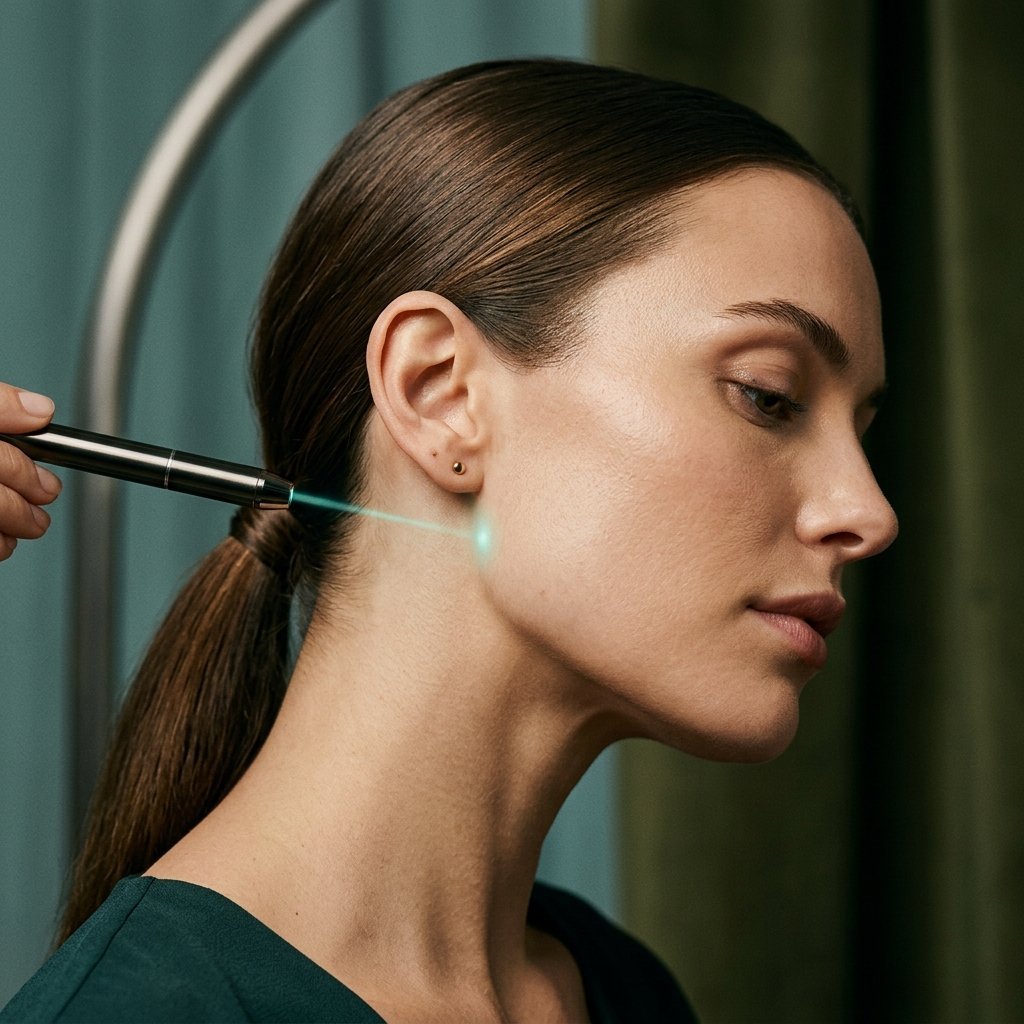
Photobiomodulation relieves chronic masseter spasm. Applying near-infrared diode laser energy (808nm) to active myofascial trigger points in the superficial masseter, anterior temporalis, and lateral pterygoid muscles relieves muscular ischemia. Irradiating at five Joules per point restores micro-capillary perfusion, washes out accumulated lactic acid and algogenic substance P, and hyperpolarizes hyperactive motor endplates. Treating the retrodiscal pad of the temporomandibular joint capsule with four Joules of 808nm laser energy eliminates intracapsular synovial inflammation. Trismus recedes within two to three clinical sessions.
Mandibular advancement devices address airway-mediated grinding. In patients where nocturnal bruxism coexists with snoring or upper airway resistance, titratable mandibular advancement splints hold the mandible forward during sleep. Keeping the retroglossal airway patent prevents nocturnal oxygen desaturations, stops respiratory micro-arousals, and halts the secondary brainstem grinding reflex.
Modern dentistry must view the stomatognathic system through the lens of systemic sleep medicine and clinical neurophysiology. Teeth are victims of nocturnal muscle activity, not its cause.
Epidemiological polysomnographic sleep studies from the American Academy of Sleep Medicine show that rhythmic masticatory muscle activity episodes occur in direct temporal synchrony with transient cardiac micro-arousals in 86% of diagnosed sleep bruxism events. Treating the airway and autonomic nervous system yields durable clinical stability, while irreversibly altering dental occlusion produces zero reduction in central motor frequency.
Leave a Reply